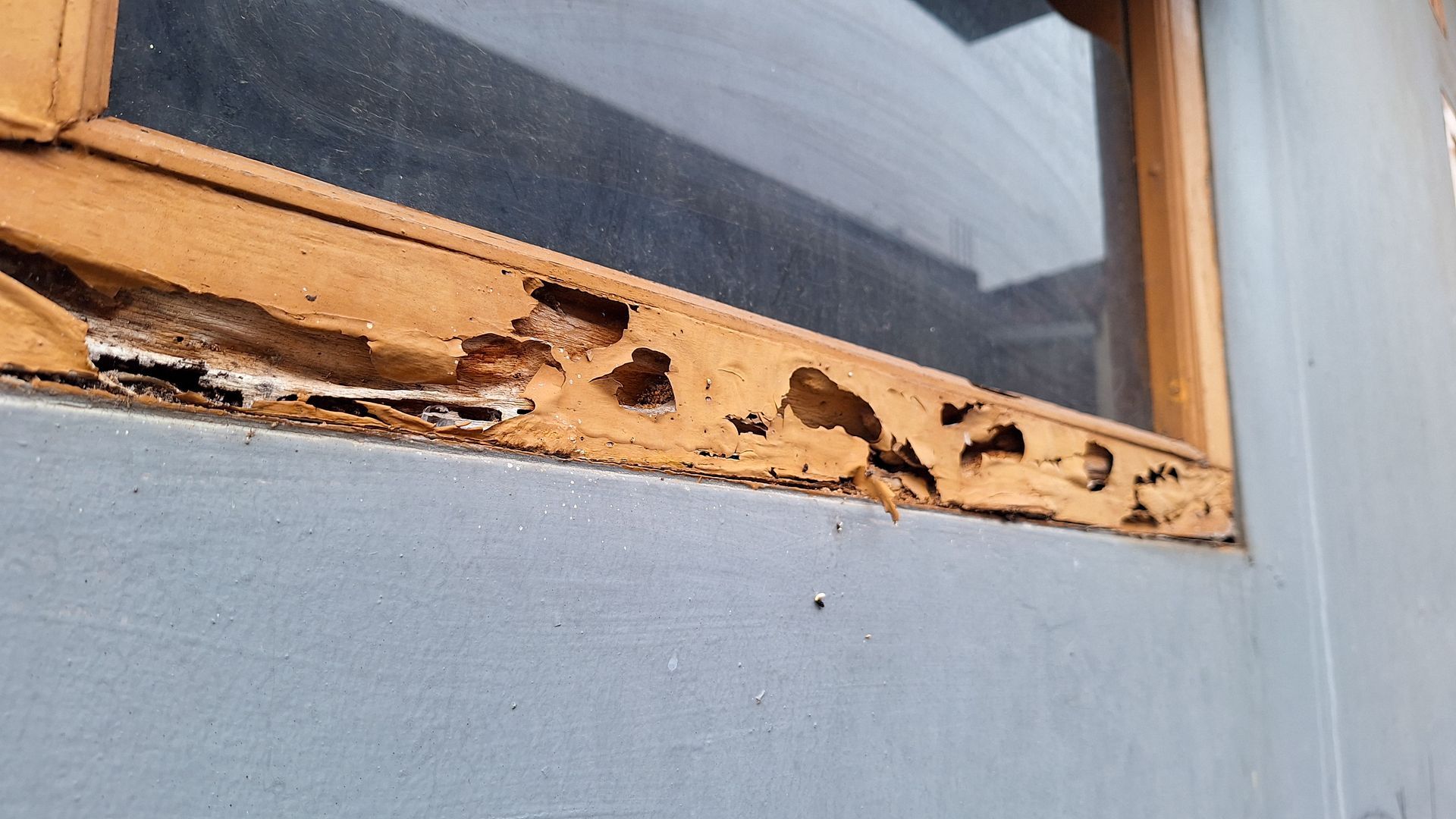




Termite removal works best when it is backed by a steady maintenance routine. Termites stay active in the soil all year, and they reach wood through gaps and moisture that homeowners can often prevent. This guide lays out a seasonal schedule that helps a home stay dry, clear, and easy to inspect.
Why a Seasonal Schedule Helps
A seasonal schedule breaks home care into small tasks that fit each time of year. Older wood-frame homes, moist soil along the White River corridor, and warm summers all create conditions that reward regular checks.
Most maintenance tasks take less than an hour. Doing them on a set calendar makes them easier to remember and gives a homeowner a clear record of what was checked and when. Timing matters too, because termite activity changes with the temperature and the moisture in the soil. A task done at the right time is more useful than the same task done at a random time.
Late Winter: Check Moisture and Wood Contact
Late winter is the time to check for moisture damage after snow melts and the ground thaws. Thawing soil can shift water toward the foundation, so this is a good time to look for new wet spots.
- Walk the foundation and look for damp spots, cracks, or soft wood.
- Confirm that gutters are clear and drain away from the house.
- Check that no wood, such as deck posts or siding trim, touches the soil.
Early Spring: Watch for Swarmers and Mud Tubes
Early spring is when termite swarmers appear, so homeowners should check window sills and door frames for discarded wings. Swarmers often leave their wings behind after they land, which makes the wings an easy sign to spot.
Look along the foundation and crawl space piers for mud tubes. These pencil-thick tunnels show that termites are traveling between the soil and the structure. Report any tubes to a licensed professional rather than breaking them open.
Spring is also a busy season for termite removal inspections, so booking early helps a homeowner get a time that works.
Late Spring and Summer: Manage Soil and Firewood
Late spring and summer are the time to keep soil, moisture, and wood away from the home. Warm weather speeds up the activity of any colony already present, and summer rain can keep soil damp for long stretches.
- Keep a clear gap between soil and siding.
- Stack firewood and lumber away from exterior walls.
- Trim shrubs and branches so they do not touch the house.
- Adjust sprinklers so the spray does not wet the foundation.
Small changes in the yard often make the biggest difference. A few hours of clearing and adjusting can remove the moisture and contact points that termites rely on.
Fall: Seal Entry Points and Clear Debris
Fall is the best time to seal gaps before cold weather arrives. Sealing in the fall keeps pests and moisture out during the winter months, when a home is closed up and harder to check.
- Seal cracks in the foundation and gaps around utility entries.
- Check crawl space vents and screens for damage.
- Remove leaf piles and debris from around the base of the home.
Winter: Monitor the Inside of the Home
Winter is a good time to check the inside of the home for signs of past or current activity. Indoor checks are easy to do when the weather keeps people inside.
- Tap along baseboards and floor joists and listen for hollow sounds.
- Watch for doors or windows that have become hard to open.
- Note any changes on a calendar to share with an inspector in spring.
Keep a Simple Maintenance Log
A written log turns the schedule into a useful record. Each entry should include the date, the area checked, and any changes, such as a new damp spot or a loose gutter. Photos are helpful when a change is hard to describe.
A log also helps an inspector judge whether a home needs termite removal or only routine care. A clear history of changes gives the inspector a head start and can make the visit more focused.
When Seasonal Checks Point to Termite Removal
A seasonal check may reveal signs that call for professional termite removal, such as active mud tubes, fresh frass, or wood that sounds hollow when tapped.
A licensed technician can inspect the home, confirm the species, and build a treatment plan for the property. Homeowners should not wait for the schedule to pass before calling, because termite colonies keep working in every season.
Start Your Spencer Maintenance Schedule Today!
Following this schedule keeps a home dry, clear, and ready for inspection, which can make any future termite removal simpler. Kelley's Termite & Pest Control, based is serving Spencer, IN, homeowners with licensed inspections and free estimates.
Call
(812) 360-8854 to book a seasonal inspection, or visit the
contact page to request an estimate. Learn more about the
termite control service available
to Spencer homes, and read reviews on our
Google Profile.